

PhotoMelissa Sobel
Steps of Silence, Sokolow’s shattering vision of people denied their humanity, trapped and isolated, is as relevant today as when it was first created in 1968.
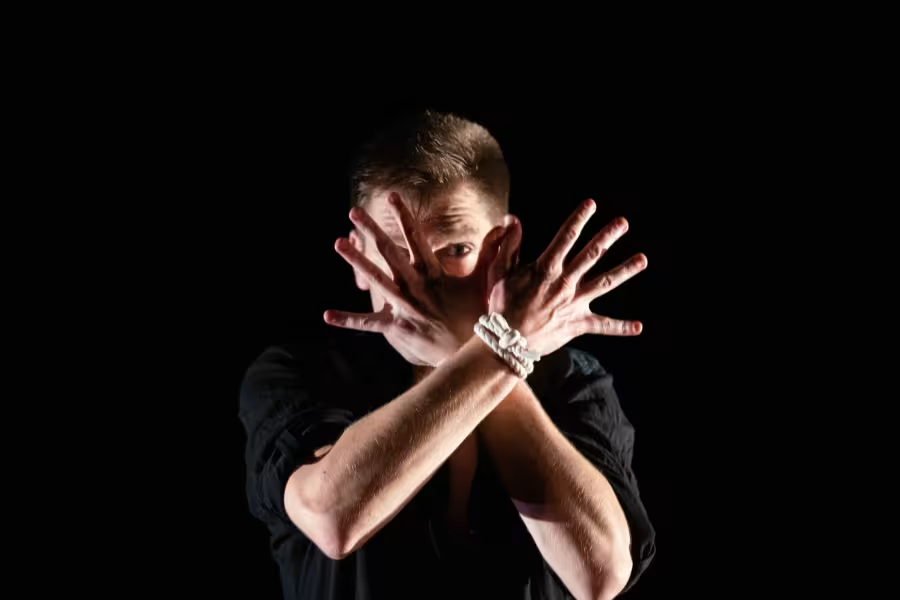
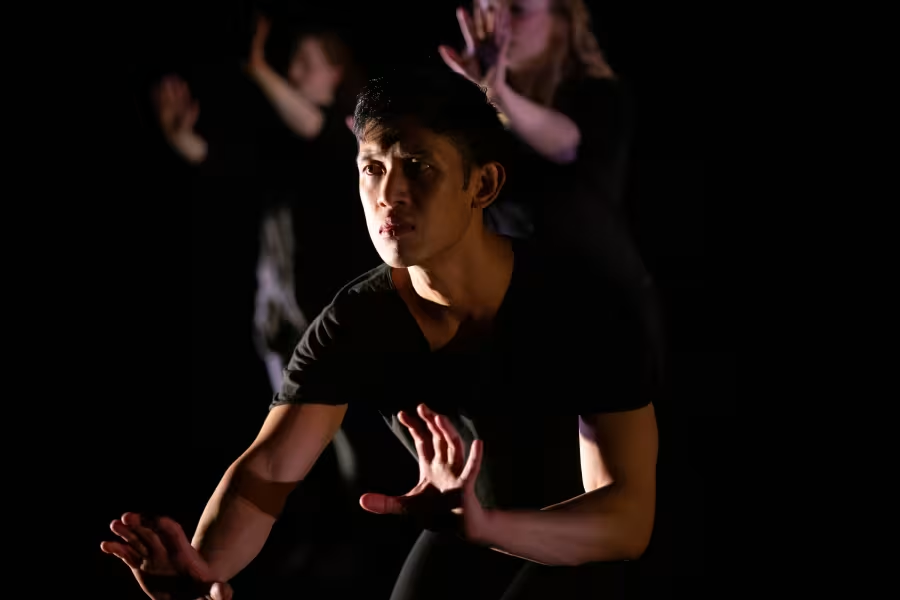
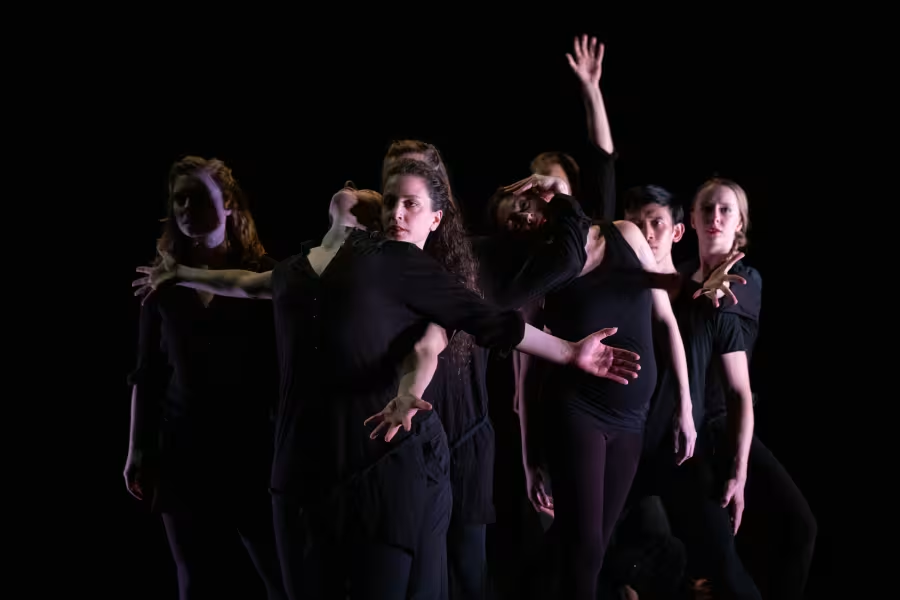
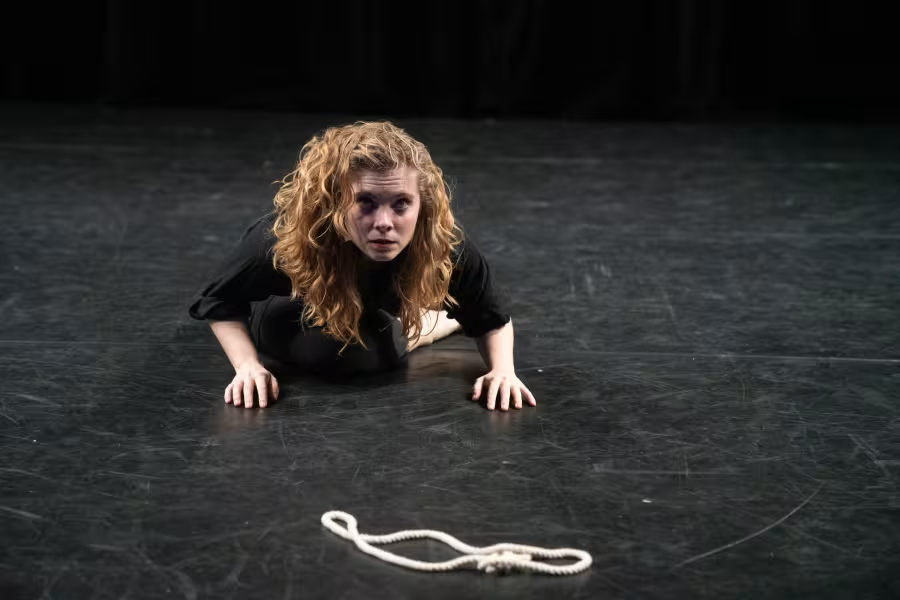
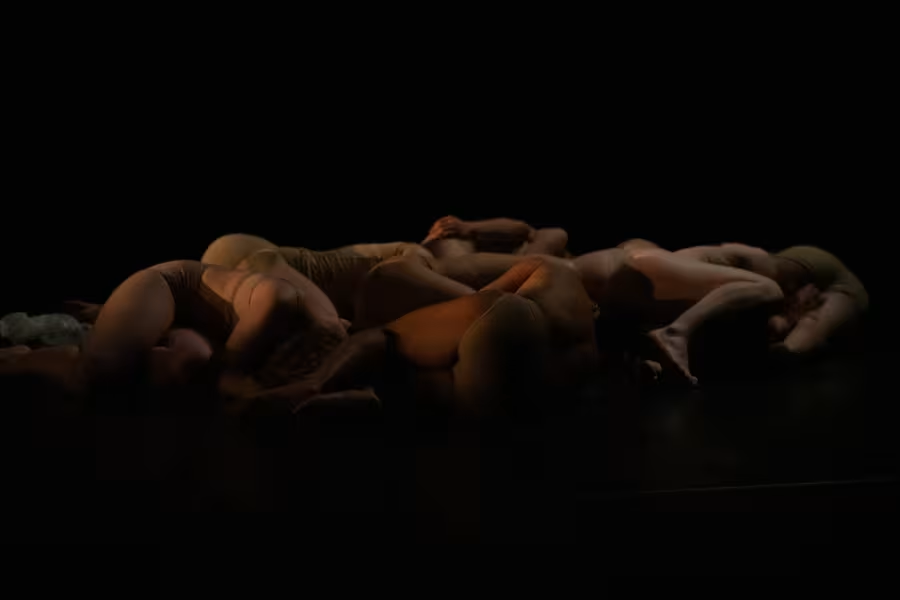
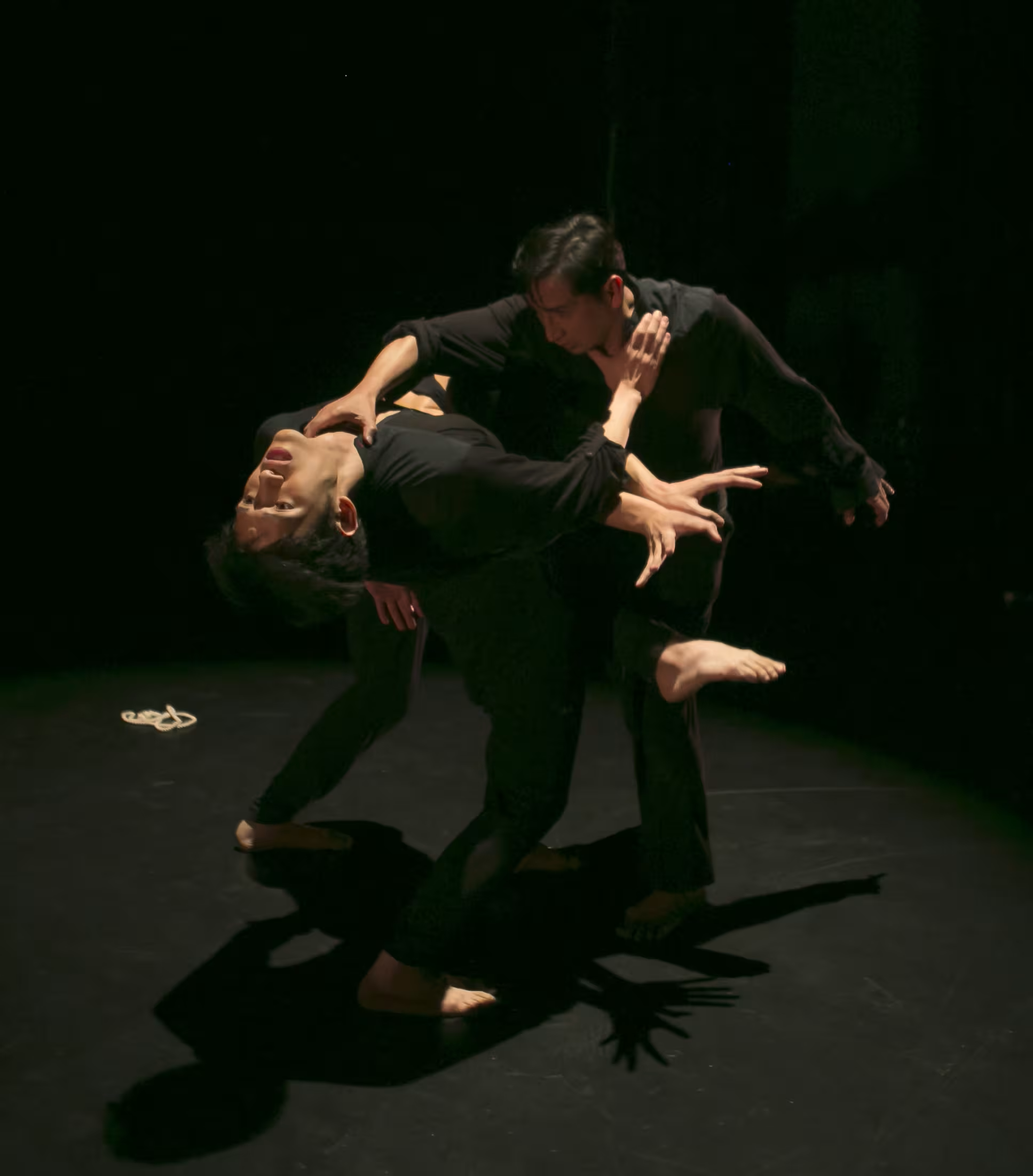
The dance begins in darkness with the voices of the performers, each speaking in words of their choosing of being alone, confined, unfree. The lights come up, revealing the dancers with bound wrists. Their struggles to be free, to be seen, to be safe, to make human contact, continue through a series of vignettes interrupted by blackouts. The dancers, having been stripped to their undergarments and fighting with each other, make their final entrance and, as a group, see what is to be their fate. They are forced upstage until they collapse together. Newspaper or plastic bags blow across the stage. The pile of bodies becomes the human refuse of oppression.
Special Requirements
Rope or heavy cord to bind the dancers’ wrists
Lighting blackouts
Wings preferred
A wind machine or fan offstage, strong enough to blow newspaper or plastic bags across the stage (may be omitted if not feasible)
Choreography: Anna Sokolow
Music: Anatol Vieru
8–10 dancers:
A mix of men and women, and can be non-gendered.
The dance involves lifts.
“Steps of Silence carries…to a searing extreme with its distorted bodies. Yet the finish to this concentration-camp scene is theatrical and true. Newspapers blow in from the wings and cover the bodies on the floor, history’s human debris.”
“[The] performers stare intently at us—calling to mind animals with a cage between them and their prey, or escaped prisoners trying to see into the darkness ahead. When they suddenly gaze toward the roof, you imagine that something deadly could rain down. Or a blessing. … it grips your heart.”