

PhotoSteven Pisano
This pioneering work toes the line between theater and dance, pulsing with loneliness, fantasy, and the fear of alienation to a driving jazz score by Kenyon Hopkins. First choreographed in 1955 during the breakdown of wartime solidarity, when the threat of atomic annihilation, the 1952 polio epidemic, and the Red Scare hung like invisible contagions, Rooms examines the psychic isolation and unfulfilled desires of characters isolated in their small, city apartments. An enduring masterpiece, Rooms reveals the deepest aspects of our human condition.
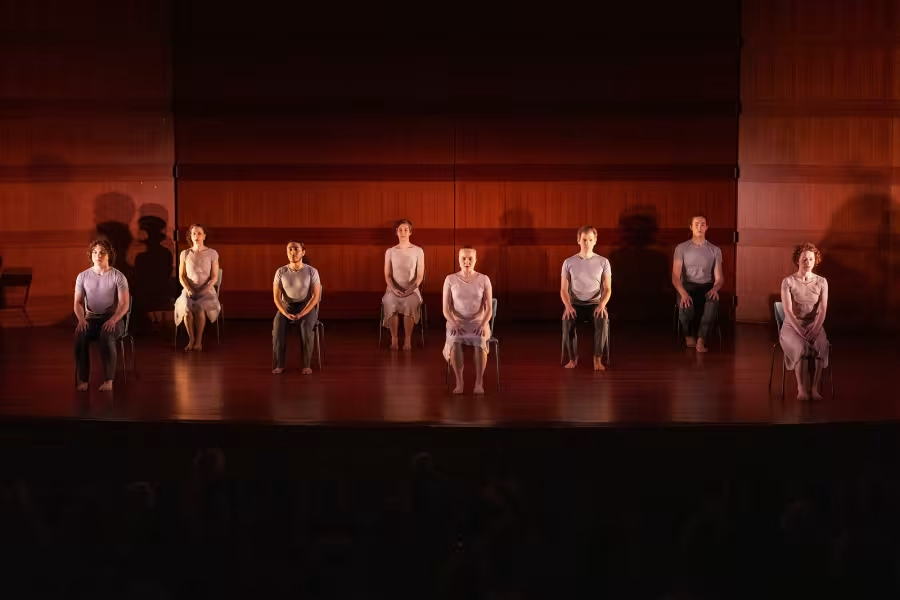
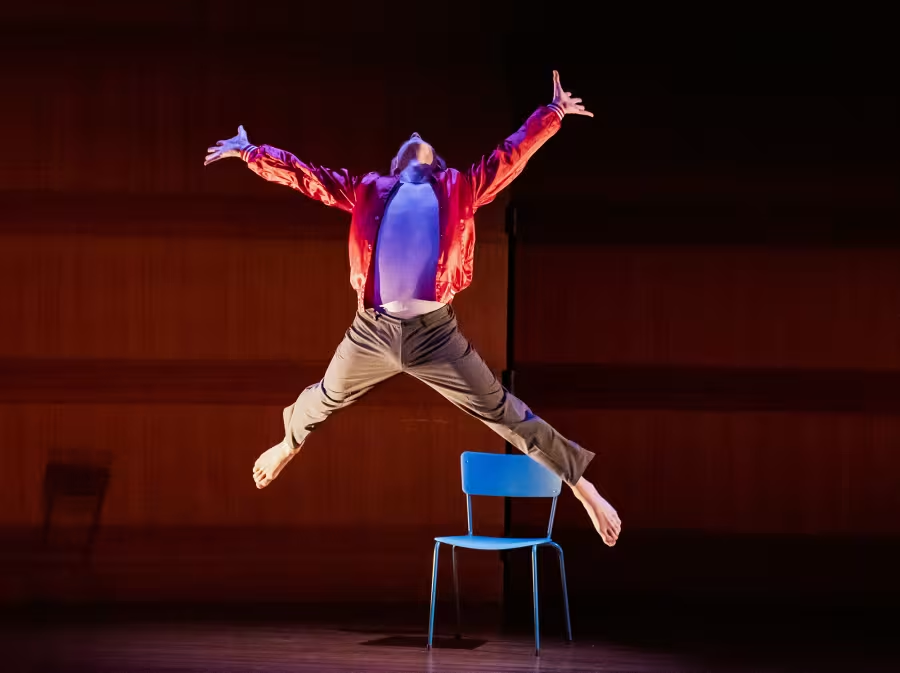
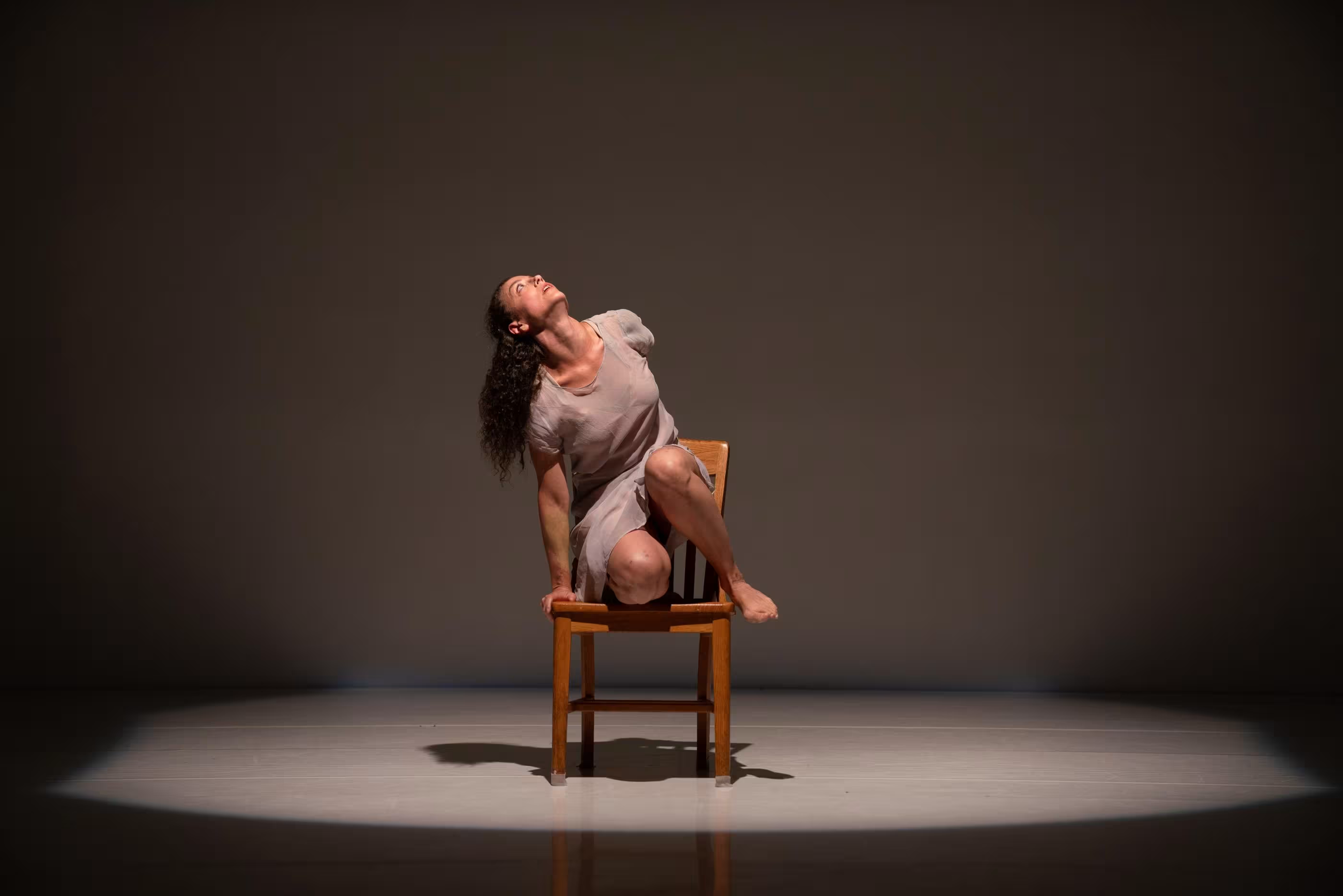
Rooms begins and ends with the dancers seated in chairs spread over the stage, each one alone in spite of the presence of others. In a series of vignettes, we see into the lives, hopes, and frustrations of each distinctive character within the confines of their rooms.
At its premiere, Rooms shattered many choreographic conventions, most notably through the use of chairs as integral props, its focus on everyday people as opposed to archetypes, its spare movement vocabulary, and storytelling through nonlinear vignettes.
The jazz score which accompanies the piece, created by Kenyon Hopkins, is another example of upsetting traditions. While jazz was used in playful or upbeat dances, Sokolow envisioned it as a way to emphasize the ‘aloneness’ experienced by her characters. Hopkins created the score alongside the choreographic process, with jazz giants playing in the premier (the recording the Sokolow Theatre/Dance Ensemble uses to this day) including Charles Mingus, Teo Macero, Clem Da Rosa, Hall Overton, and Bart Wallace.
Sections:
Alone — Company all on stage, each on and around their own chair.
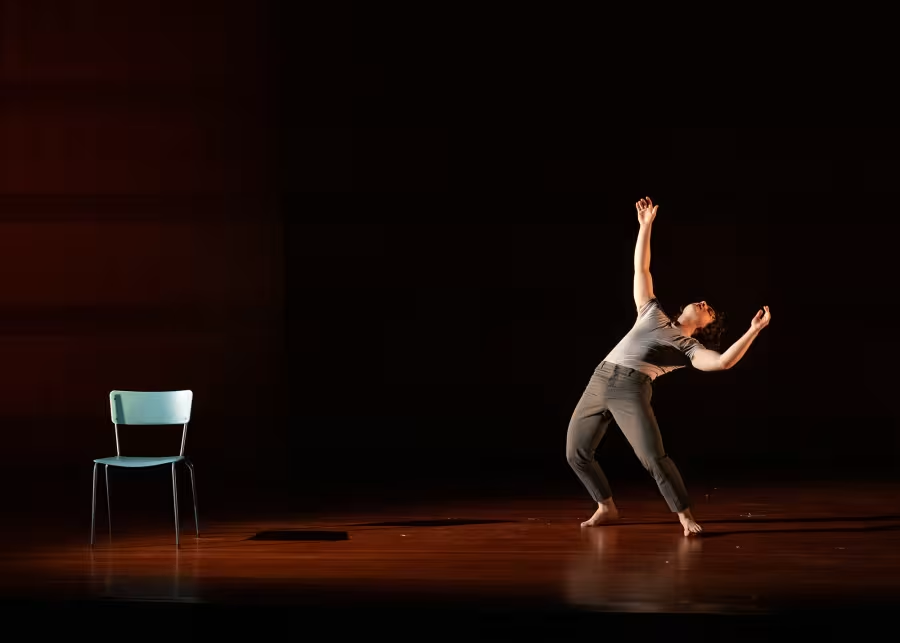
The Dreamer — Male (can be female) solo. A man falls into a dream in which he explores a fantastic landscape.
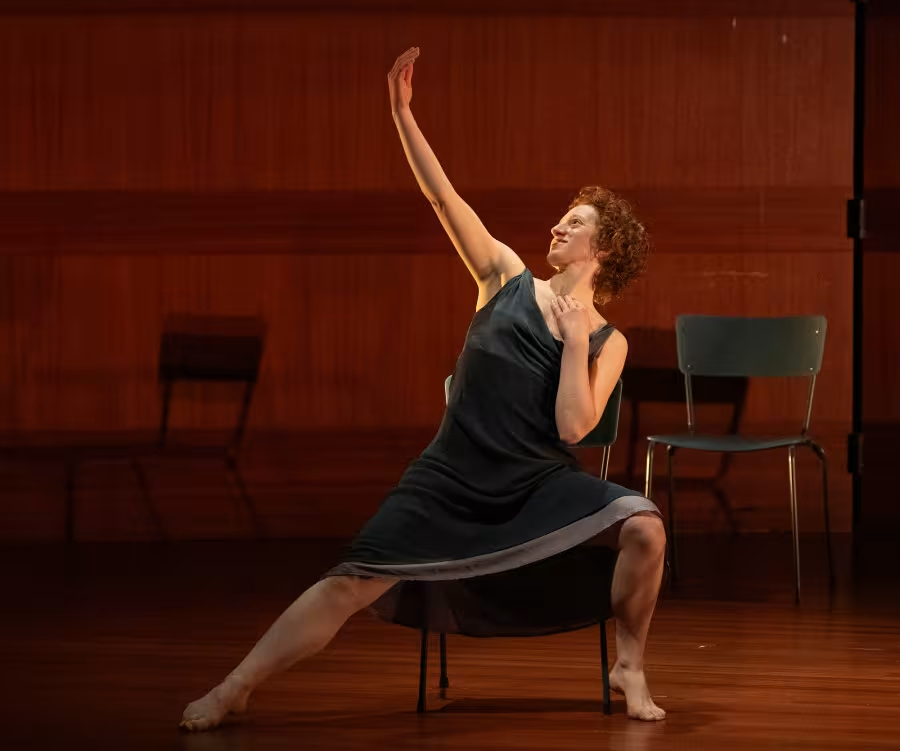
Escape — Female solo. A woman loses herself in romantic fantasy, coming back to hard reality at the end.
Going — Male (can be female) solo. An aggressive, energetic portrait of a man who fancies himself the greatest at everything.
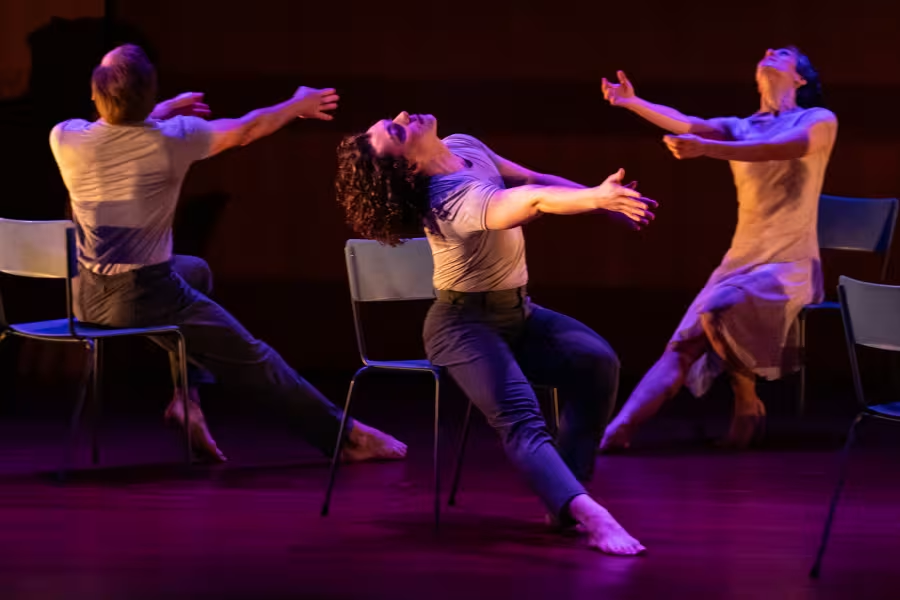
Desire — Three men and three women. A sensual expression of desire and longing in which the six dancers never succeed in making contact, in spite of their proximity.
Panic — Male (can be female) solo with four other dancers on stage. A man tries to sleep but is terrorized by the startling sounds of the street and by his own dire imagination.
Daydream — Female trio. A serene trio where three women, each looking out their own window onto the world, lose themselves in daydreams.
The End? — Female (can be male) solo. A woman in psychological torment who—perhaps—finds a way out.
Coda — Company returns to their original chairs on stage. Each performs a slow-motion reference to their solo.
Special Requirements
8 or 9 sturdy straight-backed armless chairs
Choreography: Anna Sokolow
Music: Kenyon Hopkins
Costume Design: Eleanor Bunker
8 dancers:
4 women
4 men
Some parts may be non-gendered.
“Rooms is a powerful, deeply penetrating exploration of man’s aloneness…Miss Sokolow has given her subject stunning theatrical treatment through movements which are striking as pure dance action but also revelatory of the individual dreams of each of the participants.”
“In the current moment, full of uncertainties surrounding artificial intelligence and human disconnection, Sokolow’s choreography feels more relevant than ever.”
“Watching...Rooms, you’re aware of the silences and the stillnesses that pit both the choreography and Hopkins’s emotionally and environmentally charged score. Is this what being alone for a long time feels like? What to do next? Why get out of bed? Are you going crazy? Are you alone by choice? If you died, who would bury your bones? Instead, let us thank the powers that be for the sunshine and the moonlight and the grass that continues to grow. And thank the spirit of Anna Sokolow for showing us the darkness so fiercely.”
“The innate and fragile nature of being human, of wanting community, of dreaming ever of a better future and being disappointed in the present is rendered honestly and succinctly through this work.”